

What It Is and How to Cope
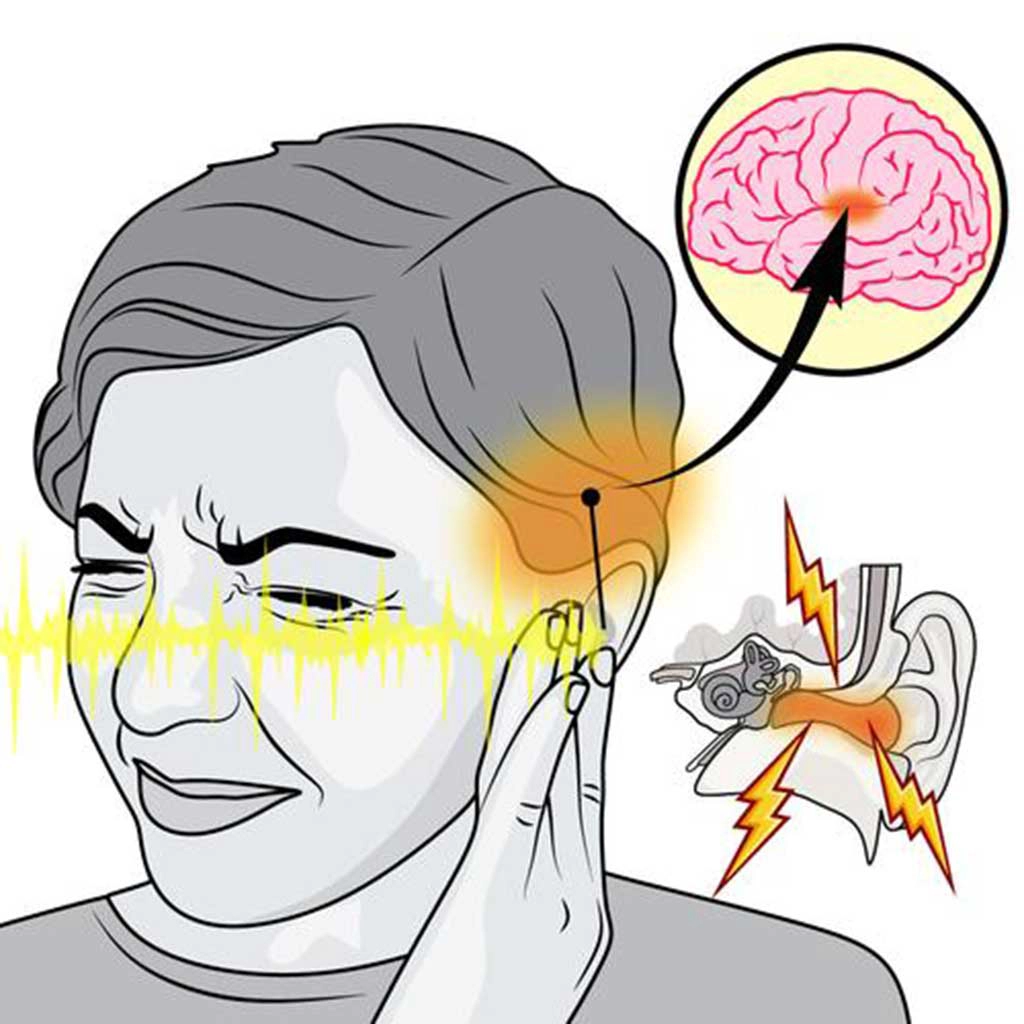
Have you ever heard a constant ringing, buzzing, or hissing in your ears after a traumatic event? If so, you’re not alone. This phenomenon, known as traumatic event tinnitus in Oahu HI, is more common than many people realize. For those experiencing it, the sound can feel like a constant reminder of a stressful or life-altering moment—and that can make it even harder to cope.
Remember: The #1 way to prevent hearing loss and/or deal with tinnitus is to address it as soon as possible! Early treatment can make all the difference. For more information on hearing loss, tinnitus, diabetes, dementia, and how they’re connected, visit our external resource anytime at www.excellenceinaudiology.org.
Let’s dive into what traumatic event tinnitus is, why it happens, and, most importantly, how you can manage it and regain control of your life.
What Is Traumatic Event Tinnitus Oahu HI?
If you’ve been following Family Hearing for a long time, you know that tinnitus itself is the perception of sound in your ears when there’s no external source. It can be caused by many things—exposure to loud noise, hearing loss, or medical conditions—but traumatic event tinnitus is unique because it’s directly tied to a significant emotional or physical event.
Traumatic event tinnitus often follows:
- Physical Trauma: A head injury, whiplash, or even blast exposure.
- Emotional Stress: A life-altering accident, loss of a loved one, or any event that leaves a psychological scar.
- PTSD: Post-traumatic stress disorder and tinnitus are often linked. The stress and hypervigilance of PTSD can exacerbate tinnitus symptoms, creating a cycle that feels impossible to break.
Why Does It Happen?
When your body undergoes trauma, your brain can go into overdrive, trying to process and protect itself from harm. This heightened state of alertness can affect the auditory system, making you more sensitive to sounds—or, in the case of tinnitus, to phantom sounds.
Physical trauma can directly damage the inner ear or auditory pathways, while emotional trauma can alter how your brain interprets sound signals. Combine the two, and it’s no wonder traumatic event tinnitus can feel so overwhelming.
How to Manage Traumatic Event Tinnitus in Oahu HI
The good news? There are effective ways to manage and even reduce the impact of tinnitus. Here are some steps to help you move forward:
1. Understand the Connection Between Stress and Tinnitus
Stress is a major trigger for tinnitus, especially after trauma. Learning relaxation techniques like deep breathing, meditation, or yoga can help lower your stress levels and reduce the severity of the sound.
2. Seek Professional Support
A healthcare professional—like a hearing specialist who specializes in tinnitus—can be a game-changer. They’ll assess your hearing, explore the root cause of your tinnitus, and recommend tailored treatments. Please visit us here to learn so much more.
- Sound Therapy: Using white noise machines or hearing aids with built-in masking sounds.
- Cognitive Behavioral Therapy (CBT): This helps reframe how you think about tinnitus, reducing its emotional toll.
3. Don’t Underestimate Emotional Healing
If your tinnitus stems from emotional trauma, addressing the root cause is key. A therapist or counselor trained in trauma can help you process what happened, manage PTSD symptoms, and build coping strategies.
4. Build a Support Network
You don’t have to go through this alone. Joining a tinnitus support group (in person or online) can connect you with people who truly understand what you’re going through. Sharing experiences and solutions can be incredibly validating.
5. Take Care of Your Body
Good overall health supports good hearing health. Prioritize sleep, exercise regularly, and eat a balanced diet. Reducing stimulants like caffeine can also minimize tinnitus spikes.
A Light at the End of the Tunnel
Traumatic event tinnitus can feel isolating, but you’re not alone. Thousands of people live with tinnitus every day, and many find ways to manage it effectively. The key is to take it one step at a time—acknowledge your experience, seek help, and build a toolkit of strategies that work for you.
If you’re struggling, reach out to a professional or an organization like the American Tinnitus Association (ATA) for resources and support. Remember, it’s not just about silencing the sound—it’s about finding peace in your life again.
Your journey to relief starts today. And you’ve got this.
Today and every day, Family Hearing Center is dedicated to changing the landscape of hearing healthcare, dementia, and improving the lives of countless individuals who live with tinnitus. We hope that by the end of this article, you will have a better understanding on how to manage traumatic event tinnitus in Oahu HI.
What to Expect on Your First Visit
Get to Know You & Understand Your Symptoms
Discuss Your Treatment Goals & Medical History
Determine Your Stage of Hearing Loss/Tinnitus
Answer All of Your Questions or Concerns
Begin a Custom Treatment Plan

Exclusive Excellence In Audiology Member Serving O'ahu
Visit One of Our Family Hearing Center Locations
Honolulu
Hours: Mon - Fri 8AM - 4:30PM, Sat 8AM - 4:30PM
Closed daily 12PM - 1PM
Address: 615 Piikoi St. Suite 1111, Honolulu, HI 96814
Phone: (808) 973-1551
Kaneohe
Hours: Mon - Fri 8AM - 4:30PM
Closed daily 12PM - 1PM
Address: 46-028 Kawa St. Suite A9, Kaneohe, HI 96744
Phone: (808) 233-1100
Pearl City
Hours: Mon - Fri 8AM - 4:30PM, Sat 8AM - 4:30PM
Closed daily 12PM - 1PM
Address: 1245 Kuala St. Suite 104, Pearl City, HI 96782
Phone: (808) 483-4131
Kahala
Hours: Mon 8AM - 4:30PM
Closed daily 12PM - 1PM
Address: 4211 Waialae Ave. Suite 509, Kahala, HI 96816
Phone: (808) 777-3525
majestic! Analysis: Examining the Ethical Dimensions of [New Technology] 2025 optimal